


1. The Basics of Solder Wire
It works in three key ways:
1.1 What Automated Soldering Robots Need from Solder Wire
Soldering robots in factories work fast and precise, but they demand the right solder wire. Btw, if you have some questions about the principles of the soldering robot, here we can answer all your questions.

1.2 The Structure of Solder Wire
Solder wire comes in two types: flux-core, with a helper inside, and solid, pure metal alone. Here’s the rundown:

1.2.1 Flux-Core Solder Wire
- What It Is: Has flux inside to clean as it melts—no extra steps.
- Rosin Core: Pine-based flux cleans gently, wipes off easily—great for gadgets and DIY. (Try Takama’s for smooth, shiny joints.)
- No-Clean Core: Flux leftovers are safe, won’t rust—perfect for phone repairs. (MG Chemicals shines here.)
- Water-Soluble Core: Tough flux for strong joints, washes off with water—ideal for big factory jobs or car electronics.
1.2.2 Solid Solder
- What It Is: Just metal, no flux—you add it if needed.
- Why It’s Great: Pure, no residue, total control—best for hot welds or high-tech circuits.
2. Solder Wire: Types and Chemical Composition
2.1 Solder Wire by Metal Type
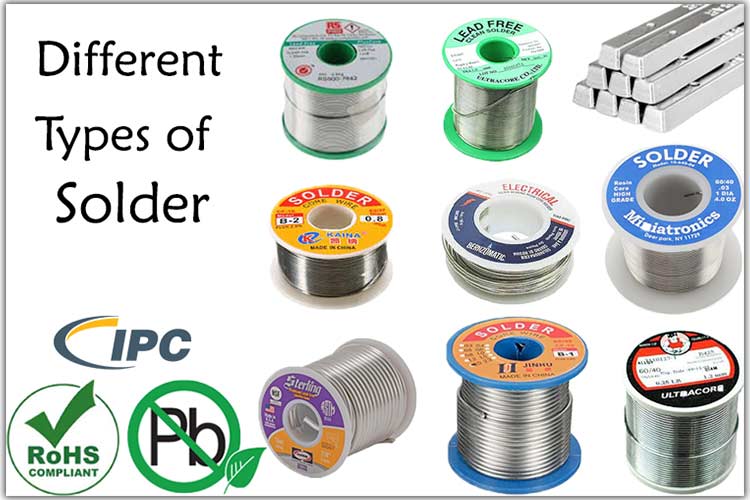
Folks, let’s talk about solder wire and what it’s made of. It’s not just one kind fits all—different metals mix together to make solder perfect for different jobs. We’ve got leaded solder, lead-free solder, and special alloy solder. Each one’s got its own strengths, its own story. Let’s walk through them together.
2.1.1 Leaded Solder (Sn-Pb Alloys)
Leaded solder is the old-school hero—made of tin and lead. It’s been around forever, and it’s still got a place in the toolbox. The big names here are 63/37 and 60/40.
- What’s in It: 63% tin, 37% lead.
- Melting Point: 183°C.
- Why It’s Special:
- Low Heat: Melts at a gentle temperature, keeping your delicate electronics safe from harm.
- Smooth Flow: When it melts, it spreads like butter, filling joints and leaving them shiny.
- Great Conductivity: Carries electricity like a champ—perfect for circuits.
- Where It Works:
- Fixing gadgets like phones or laptops.
- Hand soldering—easy to use with a simple iron.
- Tiny, precise parts like surface-mount bits.
- The Good and the Bad:
- Good: Low melting point, smooth joints, great for hands-on work.
- Bad: It’s got lead—not eco-friendly, so it’s a no-go for green projects or exports.


- What’s in It: 60% tin, 40% lead.
- Melting Point: 188°C.
- Why It’s Special:
- Slightly Hotter: A bit higher melting point, but still gentle enough for most jobs.
- Strong Joints: Makes welds that hold tight—perfect when strength matters.
- Where It Works:
- Building everyday stuff like TVs or computers.
- Hand soldering where you need tough joints.
- The Good and the Bad:
- Good: Strong welds, reliable for bigger jobs.
- Bad: Higher heat needs better tools, and yep—lead means it’s not green.


2.1.2 Lead-Free Solder (Sn-Ag-Cu, Sn-Cu, and More)
- What’s in It: 96.5% tin, 3% silver, 0.5% copper.
- Melting Point: 217-220°C.
- Why It’s Special:
- Hot Stuff: Needs more heat, but it’s built for tough spots.
- Tough Joints: Strong and lasting—great for things that can’t fail.
- Eco-Friendly: No lead, so it’s safe for the world we love.
- Where It Works:
- Making phones, laptops—anything heading to green markets like Europe or America.
- Car electronics that need to last.
- The Good and the Bad:
- Good: Green, strong, super reliable.
- Bad: Higher heat can stress delicate parts.
- What’s in It: 99% tin, 1% copper.
- Melting Point: 227°C.
- Why It’s Special:
- Really Hot: Melts at a high temp—ready for serious heat.
- Rust Fighter: Copper keeps it fresh, even in the air for a while.
- Eco-Friendly: Lead-free and proud.
- Where It Works:
- Big industrial gear or machines.
- Electronics that live in hot places.
- The Good and the Bad:
- Good: Tough against rust, green, handles heat well.
- Bad: High heat means it’s not for fragile bits.


2.1.3 Special Alloy Solder
- What’s in It: 62% tin, 36% lead, 2% silver.
- Melting Point: 179°C.
- Why It’s Special:
- Low Heat: Gentle on sensitive parts.
- Super Conductivity: Silver makes it a star for carrying signals fast.
- Clean Joints: Fewer bubbles, stronger welds.
- Where It Works:
- High-frequency circuits—like radio or microwave gear.
- Tiny, fancy chips like BGAs.
- The Good and the Bad:
- Good: Low heat, great for precision and fast circuits.
- Bad: Costs more—not for big batches.
- What’s in It: 90% tin, 10% antimony.
- Melting Point: 232°C.
- Why It’s Special:
- Hot and Strong: Built for high heat, with tough joints.
- Rust Fighter: Antimony keeps it solid in the air.
- Where It Works:
- Electronics in hot spots.
- Car parts that need to hold up.
- The Good and the Bad:
- Good: Handles heat, fights rust, strong welds.
- Bad: Higher heat can be tricky for delicate stuff.


2.2 Solder Wire by Flux Type

2.2.1 Rosin Flux: The Classic Choice
2.2.1.1 R-Type (Rosin)
- What’s in It: Just pure rosin—no extra kick.
- Why It’s Special:
- Gentle Touch: It’s soft on metal, perfect when things are already pretty clean.
- No Harm: Won’t rust your parts or tools—super safe.
- Easy Cleanup: Leftovers wipe off with alcohol or a special cleaner
- Where It Works:
- Fancy gear like aeroplanes or army tech—where perfect matters.
- Hand soldering when you want top quality.
- The Good and the Bad:
- Good: Safe, easy to clean, great for precision.
- Bad: Not strong enough for really rusty bits—might need extra prep.

2.2.1.2 RA-Type (Rosin Activated)
- What’s in It: Rosin with a big boost of power.
- Why It’s Special:
- Strong Cleaner: Blasts through rust and grime—tough jobs, no problem.
- Watch Out: Leftovers can bite, so you’ve got to clean them off.
- Clean It Well: Needs a good scrub with special stuff after.
- Where It Works:
- Big factory runs where quality’s key.
- Tricky welds with rusty parts or complicated shapes.
- The Good and the Bad:
- Good: Handles hard jobs like a champ.
- Bad: Leftovers can harm if you skip the cleanup.

2.2.1.3 RMA-Type (Rosin Mildly Activated)
- What’s in It: Rosin with a gentle boost.
- Why It’s Special:
- Just Right: Strong enough to clean, but kind to your gear.
- Easy Cleanup: Leftovers come off with a quick wipe.
- Fits Everywhere: Works for almost any welding job.
- Where It Works:
- Making phones, computers, or home gadgets.
- Hand soldering when you need solid results.
- The Good and the Bad:
- Good: Balanced, easy to clean, super versatile.
- Bad: Might struggle with the toughest rust.

2.2.2 No-Clean Flux: Work and Walk Away
- Why It’s Special:
- Safe Leftovers: What’s left behind won’t mess with your circuit—it’s an insulator.
- Gentle: Barely any rust risk—kind to your tools and parts.
- No Fuss: Weld and go—no cleanup needed.
- Where It Works:
- Tiny, packed circuits like phone or computer boards—too tight to clean.
- Fast factory lines that can’t slow down.
- The Good and the Bad:
- Good: Saves time and money, perfect for busy jobs.
- Bad: Leftovers might trick testing or repairs later.
2.2.3 Water-Soluble Flux: Strong and Green
- Why It’s Special:
- Big Power: Cuts through rust and dirt like nothing else.
- Water Wins: Rinse leftovers off with water—cheap and simple.
- Earth-Friendly: Water’s all you need—no harsh stuff.
- Where It Works:
- Big factory runs needing top welds.
- Rusty parts or tricky setups that need extra muscle.
- The Good and the Bad:
- Good: Strong, easy to clean, good for the world.
- Bad: Clean it fast—wait too long, and it sticks hard.
2.3 Solder Wire by Diameter
Let’s talk about size—because when it comes to solder wire, size matters. The diameter, how thick or thin that wire is, decides what job it’s best for. We’re talking tiny ones like 0.3mm all the way up to 1.0mm and beyond. Each one’s got a purpose, a place where it shines. Let’s walk through them together.

2.3.1 0.3mm Solder Wire
- What’s It Like:
- Super Thin: So small you can barely see it—perfect for delicate work.
- Pinpoint Control: Melts just a little at a time, so you nail the exact spot.
- Gentle Heat: Doesn’t need much heat, keeping fragile parts safe.
- Where It Works:
- Tiny circuit boards—like the guts of your phone or a microchip.
- Small surface-mount bits—like resistors or capacitors.
- Micro gadgets—fixing chips or tiny tech.
- The Good and the Bad:
- Good: Perfect for tiny, precise welds, kind to sensitive stuff.
- Bad: Slow going—not great for big jobs.
2.3.2 0.5mm Solder Wire
- What’s It Like:
- Just Right: Not too thin, not too thick—a real all-rounder.
- Fits Most Jobs: Works for small stuff and everyday tasks.
- Easy to Handle: Gives you control over how much melts—flexible and friendly.
- Where It Works:
- Regular circuit boards—hand soldering or machine work.
- Small parts—like little capacitors or resistors.
- Fixing gear—like computers or home appliances.
- The Good and the Bad:
- Good: Works everywhere, easy to use, great control.
- Bad: For big parts, you might need to keep adding more—takes time.
2.3.3 0.8mm Solder Wire
- What’s It Like:
- Bit Thicker: Beefier, ready for bigger welds.
- Fast Work: Melts more at once—speeds things up.
- Big Jobs: Loves covering larger areas.
- Where It Works:
- Chunky parts—like big capacitors or transformers.
- Power gear—where strong currents need strong joints.
- Factory lines—keeps the machines humming fast.
- The Good and the Bad:
- Good: Quick, efficient, great for big welds.
- Bad: Too chunky for tiny work—might need tidying up.
2.3.4 1.0mm Solder Wire
- What’s It Like:
- Thick Stuff: A real heavyweight for serious jobs.
- Hot Stuff: Needs more heat, built for big, tough parts.
- Heavy Duty: Made for the big leagues.
- Where It Works:
- Massive gear—like huge transformers or motors.
- Car electronics—strong joints for big power.
- Industrial kit—like metal joins in machines.
- The Good and the Bad:
- Good: Fast and strong for heavy welds, handles heat like a pro.
- Bad: Not for small stuff—too big, too hot.
2.3.5 Other Sizes
- Super Thin (like 0.2mm): For ultra-tiny work—think microchip fixes or super-small tech.
- Extra Thick (like 1.2mm or 1.5mm): For giant tasks—big industrial joints that need muscle.
3. Solder Wire Brands and Selection Guide

1. Alpha Solder Wire
- Why It’s Great: Alpha’s a global star, known for reliable lead-free solder that meets tough rules like RoHS and REACH. It’s a go-to for electronics, cars, and even aeroplanes.
- Price: Mid-to-high—depends on the type you pick.
- Value: Top-notch. It’s not cheap, but for high-precision jobs—like tiny circuits or car electronics—this quality pays off big time.

2. Kester Solder Wire
- Why It’s Great: Kester’s a leader with a huge range—traditional solder, pastes, wires, you name it. It’s certified for quality and green standards like ISO-14001, so it’s solid and safe.
- Price: Middle of the road.
- Value: High. From fine electronics to heavy-duty welds, Kester’s steady and trustworthy—a real all-rounder for any project.

3. Multicore Solder Wire
- Why It’s Great: Multicore brings top-quality solder and flux, perfect for precise electronics. It’s reliable and works smoothly every time.
- Price: Medium.
- Value: High. Great for delicate jobs, it keeps welds neat and strong—brilliant if you want quality without breaking the bank.

4. Senju Solder Wire
- Why It’s Great: Straight from Japan, Senju’s lead-free solder is premium stuff—high quality, super reliable, and eco-friendly.
- Price: High-end.
- Value: High. It costs more, but for fancy electronics or green projects, it’s worth every penny.
5. Yunxi Tin Solder Wire
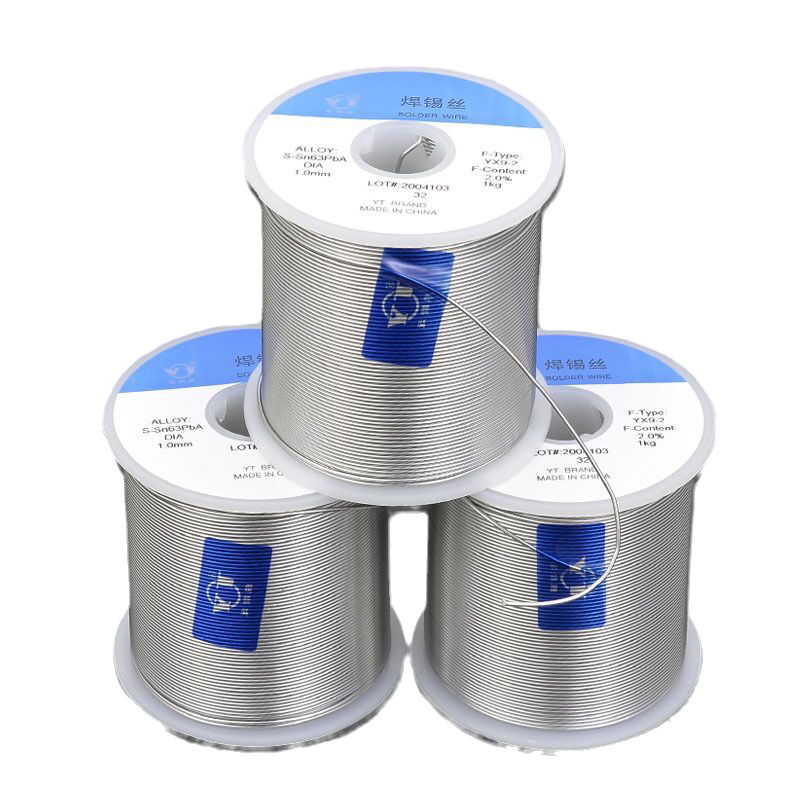
- Why It’s Great: China’s big tin player, Yunxi’s got a full chain from mining to making solder. It’s steady and strong.
- Price: Medium.
- Value: Decent. It’s good for lots of industrial jobs—not the flashiest, but it gets the work done.

6. Youbang Solder Wire
- Why It’s Great: A solid Chinese brand, it’s big in electronics, communication gear, and cars—versatile and trusted.
- Price: Medium.
- Value: Decent. It’s reliable for all kinds of welds—a fair deal for the price.
7. Voltera Solder Wire
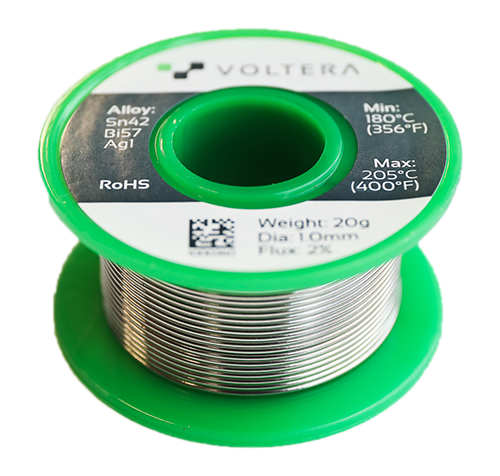
- Why It’s Great: Vitou’s all about high-quality solder—great performance, steady results.
- Price: Medium.
- Value: Decent. Good for electronics and precise tools—it’s solid, nothing fancy, just works.

8. AIM Solder Wire
- Why It’s Great: This high-tech firm offers solder, glue, pastes—everything. It’s a one-stop shop for soldering needs.
- Price: Medium.
- Value: High. Lots of options, great results—it’s a smart pick for industrial jobs.
5. Solder Wire Storage and Handling
Then, let’s talk about keeping your solder wire in tip-top shape. It’s not just about using it—it’s about storing it right so it’s ready when you need it. A little care goes a long way, and here’s how to do it.
5.1 Storing Solder Wire the Right Way
- Temperature: Aim for 20-25°C. That’s the sweet spot where solder wire stays happy—its body and soul stay steady. Too hot or too cold, and it might not work as well when you call on it.
- Humidity: Keep it below 50%. Low humidity stops the wire from rusting and keeps the flux inside from getting soggy. Dry air means better welds when the time comes.
5.1.2 Packaging and Storage Tricks
- Vacuum Packing: Seal it up tight in a vacuum bag. That keeps out air, oxygen, and dampness—no rust, no soggy flux. It’s like giving your solder a shield, stretching its life way longer.
- Dry Box Storage: Pop it in a drying box. These boxes hold a steady, dry space—sometimes with little moisture-eating packets inside. It’s a safe home that keeps your solder wire strong and ready.
5. 2 Storing Solder Wire the Right Way
- Temperature: Aim for 20-25°C. That’s the sweet spot where solder wire stays happy—its body and soul stay steady. Too hot or too cold, and it might not work as well when you call on it.
- Humidity: Keep it below 50%. Low humidity stops the wire from rusting and keeps the flux inside from getting soggy. Dry air means better welds when the time comes.
5.2.2 Packaging and Storage Tricks
- Vacuum Packing: Seal it up tight in a vacuum bag. That keeps out air, oxygen, and dampness—no rust, no soggy flux. It’s like giving your solder a shield, stretching its life way longer.
- Dry Box Storage: Pop it in a drying box. These boxes hold a steady, dry space—sometimes with little moisture-eating packets inside. It’s a safe home that keeps your solder wire strong and ready.
- The soldering robot also needs maintenance. Please see here for how to maintain it.
By the way, for troubleshooting common issues with soldering robot, please refer to this article.
6. Technical Specifications of Solder Wires
| Alloy Composition | Diameter (mm) | Melting Point (℃) |
|---|---|---|
| Sn99.3Cu0.7 | 0.3 – 2.0 | 227 |
| Sn96.5Ag3Cu0.5 | 0.3 – 2.0 | 218 |
| Sn42Bi58 | 0.3 – 2.0 | 138 |
| Sn91Zn9 | 0.3 – 2.0 | 199 |
| Sn5Zn95 | 0.3 – 2.0 | 382 |
| Sn96.5Ag3.5 | 0.3 – 2.0 | 221 |
| Sn99.7Cu0.3 | 0.3 – 2.0 | 227 |
| Sn99.5Cu0.5 | 0.3 – 2.0 | 227 |
| Sn99.3Cu0.7Ni0.03 | 0.3 – 2.0 | 227 |
| Sn99.3Cu0.7Ni0.05 | 0.3 – 2.0 | 227 |
Notes
- Alloy Composition: Common solder wire alloys include tin (Sn), silver (Ag), copper (Cu), zinc (Zn), bismuth (Bi), etc. Different alloy compositions have different melting points and soldering properties.
- Diameter: The diameter of solder wire typically ranges from 0.3mm to 2.0mm, depending on the soldering requirements.
- Melting Point: The melting points of different alloy compositions vary from 138℃ to 382℃, suitable for various soldering scenarios.


